How do I know if my pointe shoes fit properly?

Home / Blog / How do I know if my pointe shoes fit properly?

How do I know if my pointe shoes fit properly?

Finding the right pointe shoes is one of the most important (and sometimes confusing) steps in a dancer’s training. A well-fitting pair of pointe shoes should feel supportive, secure, and snug—like a glove for your feet—without causing pain or forcing your toes into unhealthy positions.

It’s also important to remember that pointe shoes change as you break them in. They widen and soften with use, so a little tightness when trying on a brand-new pair is normal. That said, there are several key things dancers and professional fitters look for to ensure a proper fit.

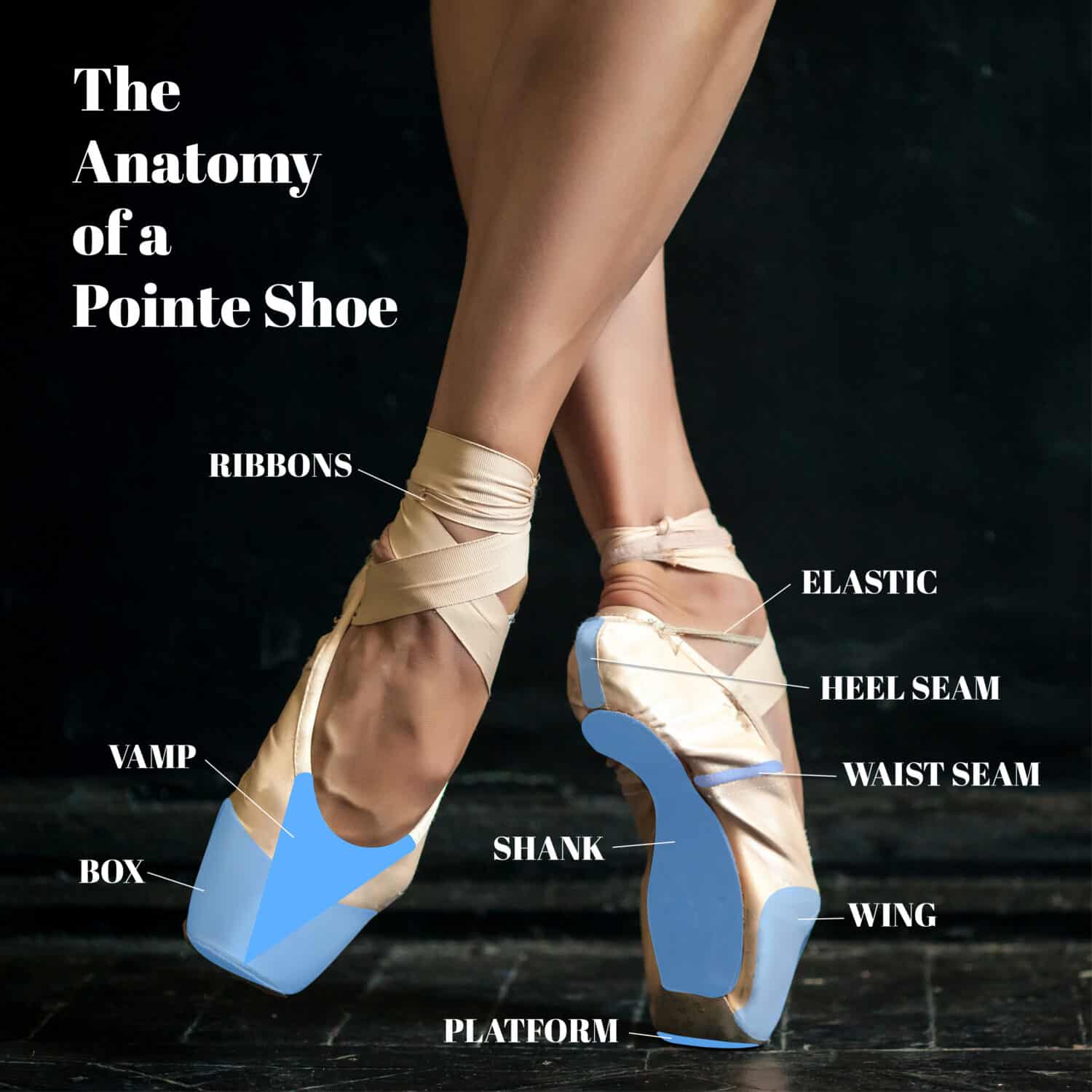
Below are the main elements to check when assessing whether your pointe shoes fit correctly.
Image
1.

Always Try Shoes On With Your Usual Padding

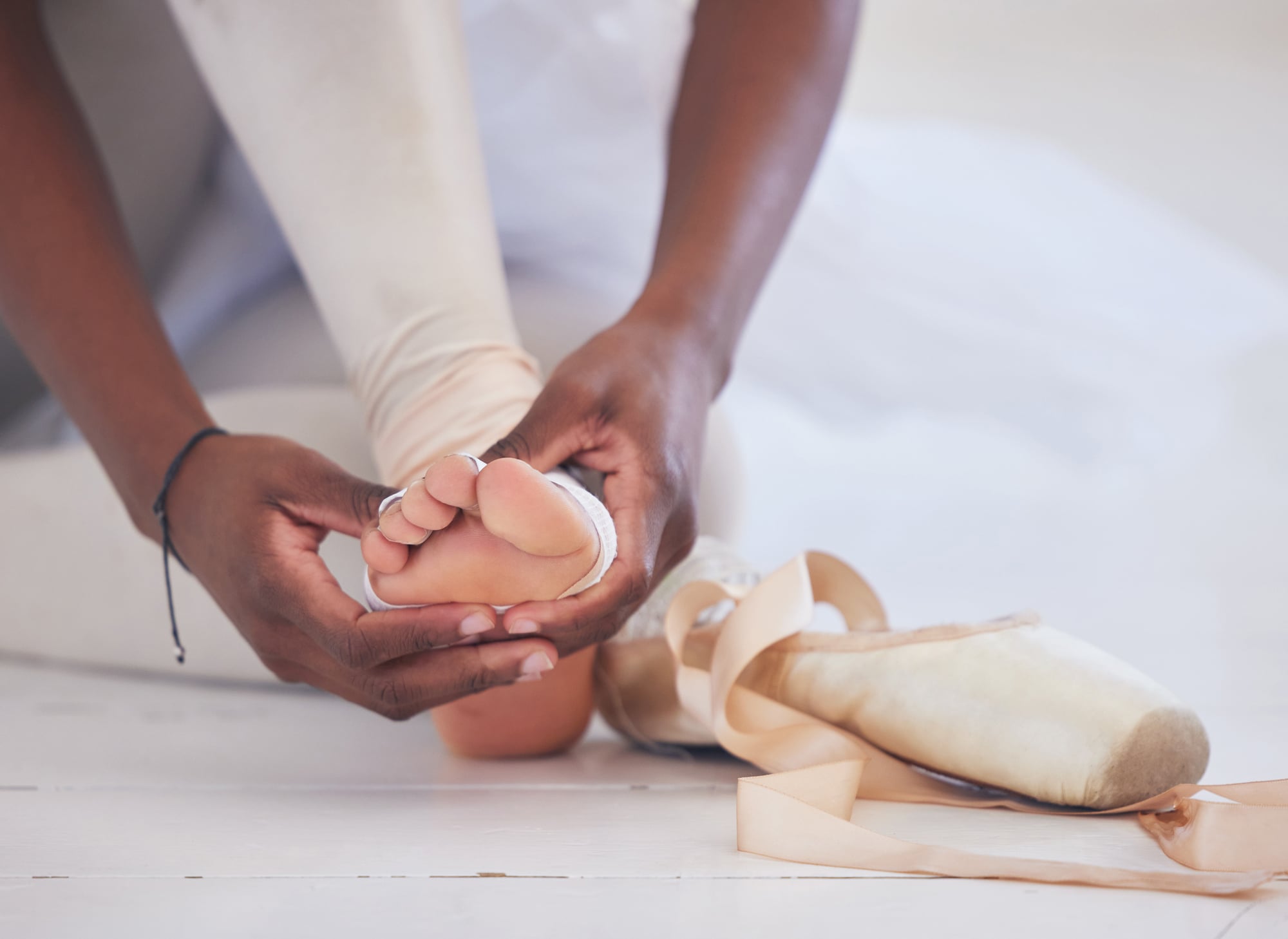
You should always try on pointe shoes wearing the exact padding, toe pads, spacers, or tape you normally use in class.

Toe pads come in different thicknesses, and even small differences can dramatically affect how a shoe fits. If you borrow padding at the store, the shoes may feel completely different once you wear your own at home or in class.

Rule of thumb: The shoe should be fitted to your feet as you dance, not to a temporary setup.

Image
2.

Your Longest Toe Should Just Touch the End (No Bending)

While standing flat-footed, your longest toe should gently touch the end of the shoe without bending or curling.

  • If your toes feel bent or crammed, the shoe is likely too short

  • This can cause knuckle rubbing, blisters, and eventually hammertoes

If this happens, try going up half a shoe size.

Never Size Up
“For Comfort”

Pointe shoes should feel snug when new. Buying shoes that feel roomy right away usually leads to sinking, lack of support, and unsafe technique once the shoe breaks in.

Size Up After
Growth Spurts

Teen dancers may need more frequent fittings if they experience a growth spurt. A shoe that fit perfectly six months ago may no longer be appropriate.

Image
3.

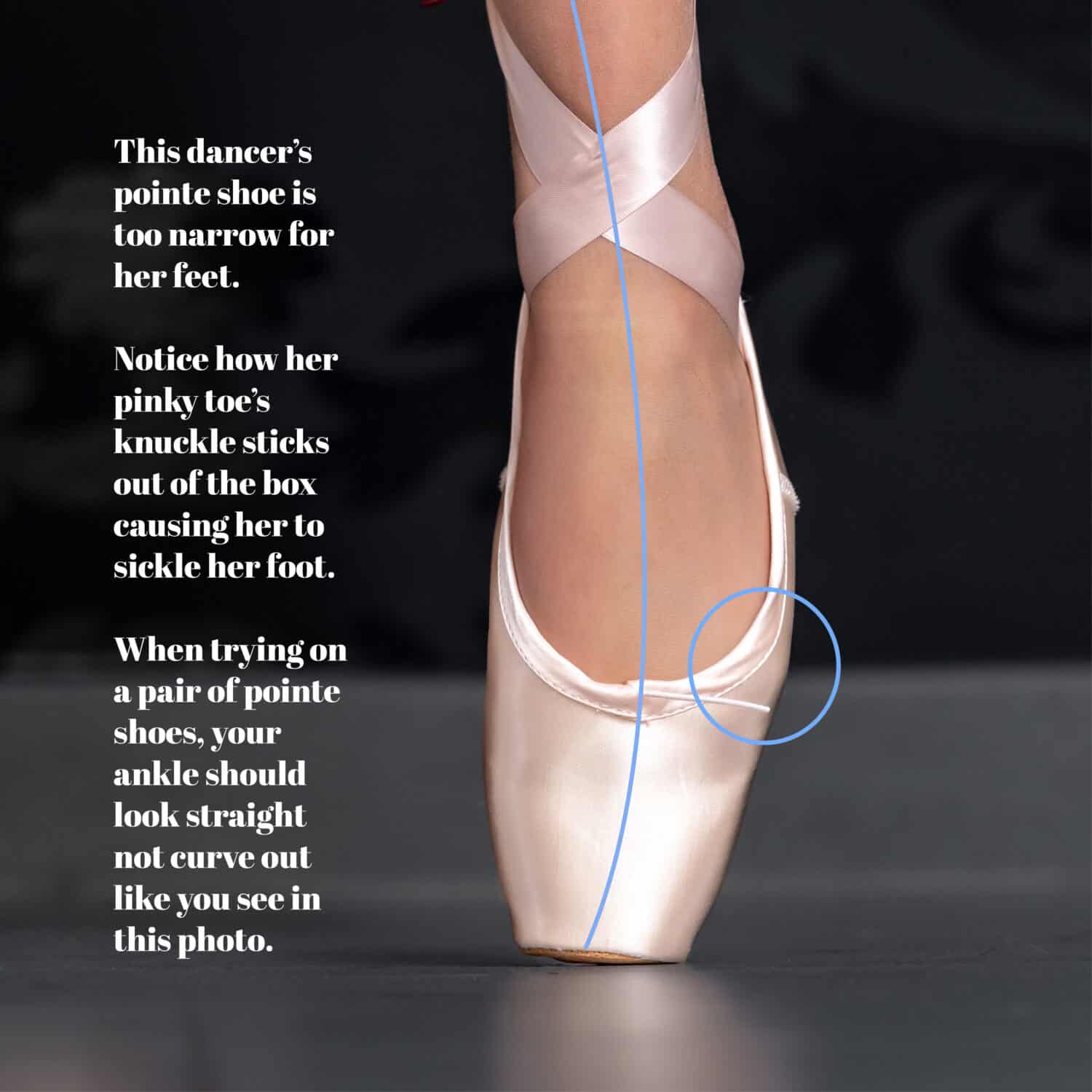
The Width Should Feel Snug—but Not Painfully Tight

When standing flat, the ball of your foot should lie flat on the ground.

All new pointe shoes feel tight at first, but your bones should not feel crushed or pinched together. If your foot feels like it’s being squeezed from the sides, the shoe is probably too narrow, and you should try a wider width.

Image
4.

Check the Taper of the Shoe (Very Important for Foot Health)

Pointe shoes come in different tapers (how much the toe box narrows toward the front).

Many dancers prefer tapered shoes because they make the foot look more petite and pointed on stage. However, too much taper can worsen bunions and cause toes to overlap.

When standing flat:

  • Your toes should feel straight and aligned

  • If they feel squished or stacked on top of one another, try a less tapered shoe

As a general comparison:

Image
5.

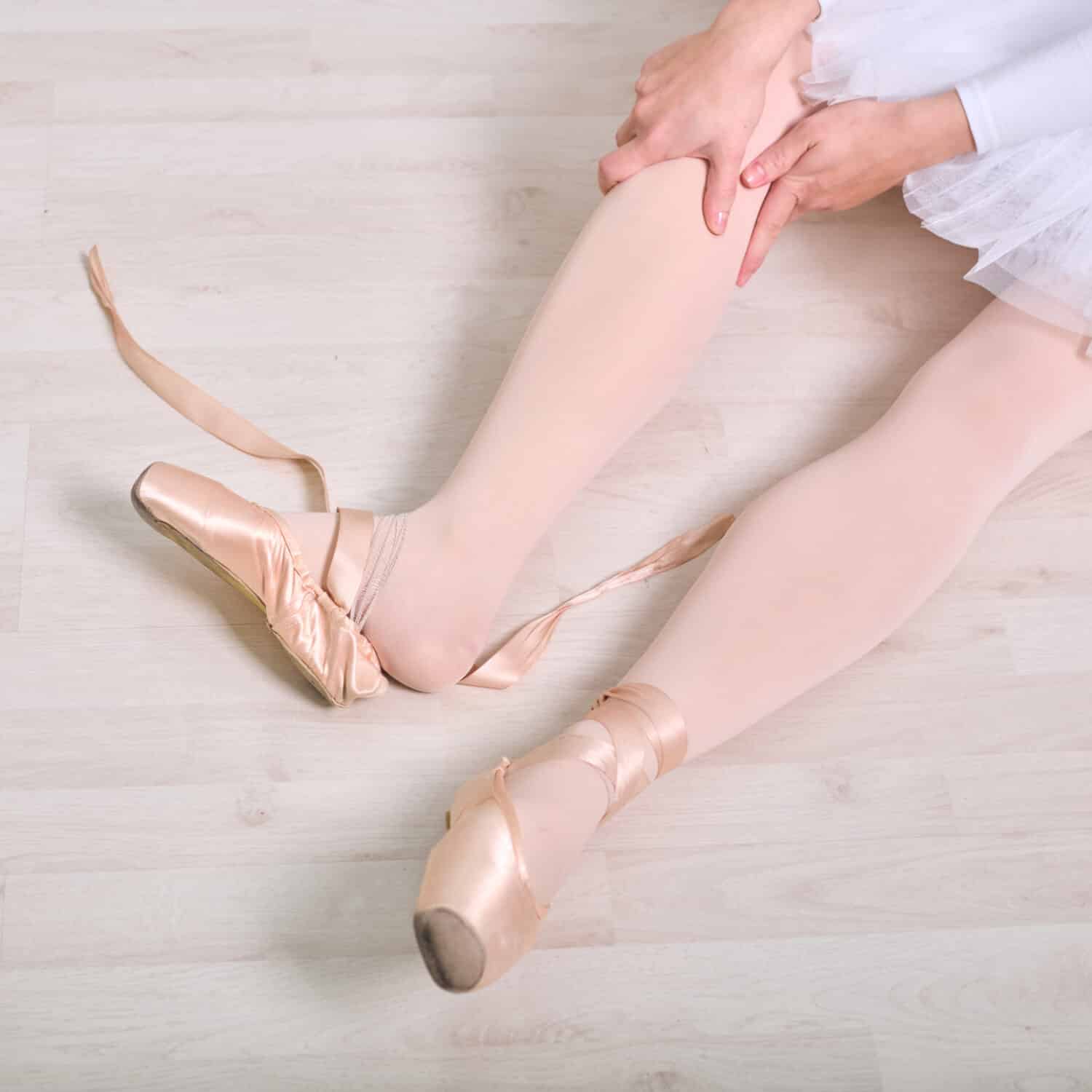
The Heel Should Stay Secure on Flat and Demi-Pointe

The heel fabric should fully cover your heel when standing flat. Once the drawstrings are tightened, the heel should also stay in place when you rise onto demi-pointe.

  • If the heel feels tight on flat and slips off easily on demi-pointe → try going up half a size

  • If the heel fits well on flat but feels loose on demi-pointe → consider adding a heel grip insert

Miss Kathleen’s Favorite Heel Grips

I’ve personally never worn elastics when I dance in pointe shoes. Instead I used heel grips. After of 30 years dancing, these heel grips are hands-down my all time favorite. The adhesive is super strong, so you don’t have to worry about them falling out. The rubber material is also super flexible or doesn’t get slippery when I sweat unlike other brands I’ve tried.

Sof Sole Heel Grips


Are Your Elastics Uncomfortable?

Thinner elastics can cut into your ankle if they are too tight. If you find that traditional elastics are uncomfortable, then I suggest trying out Bloch’s Covert Elastics. They are less visible on stage, which will give your feet a cleaner looking line, but more importantly the Covert Elastic is double the width of traditional elastics, for a more comfortable fit.

Bloch Covert Elastics

Image
6.

Knuckle Placement Matters When En Pointe

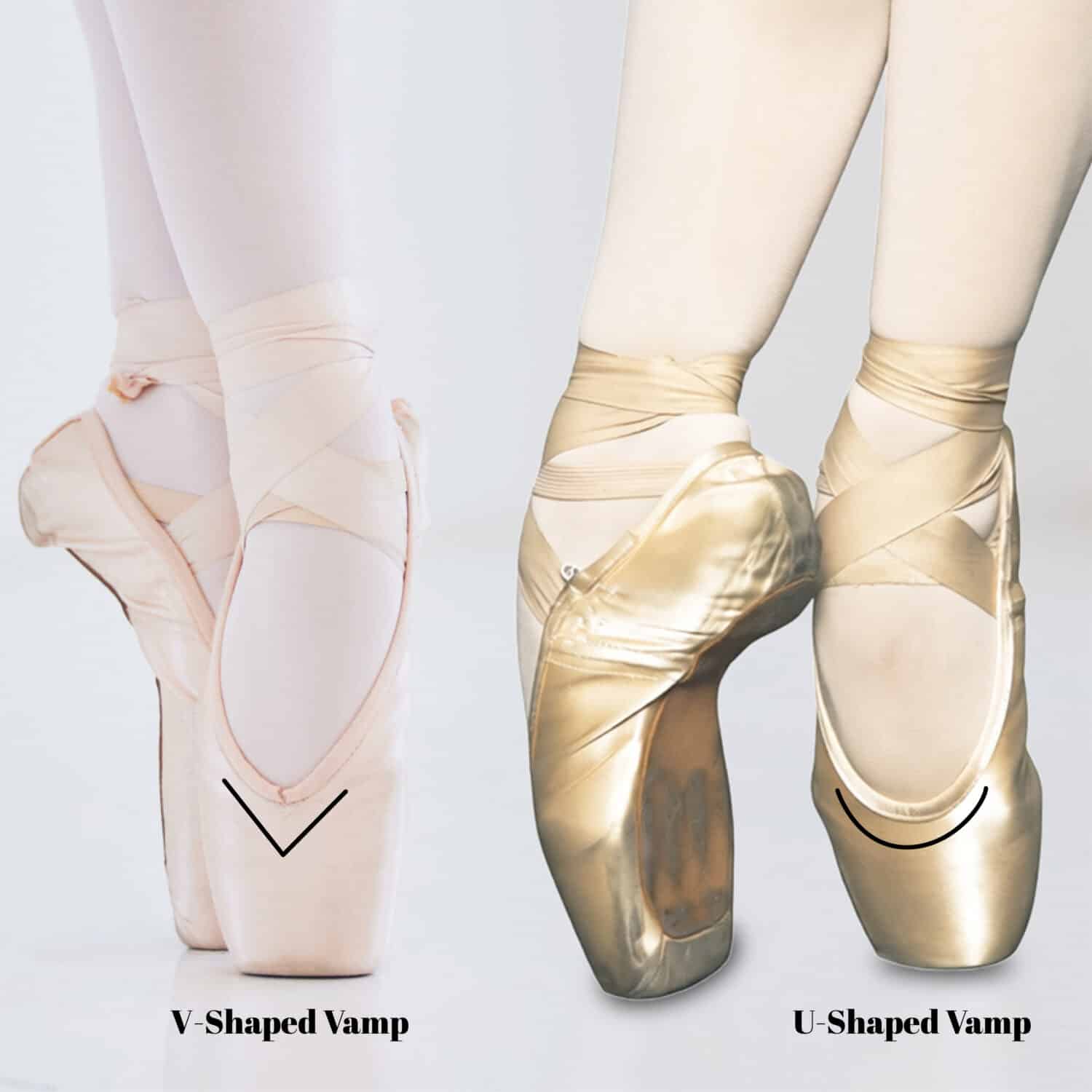
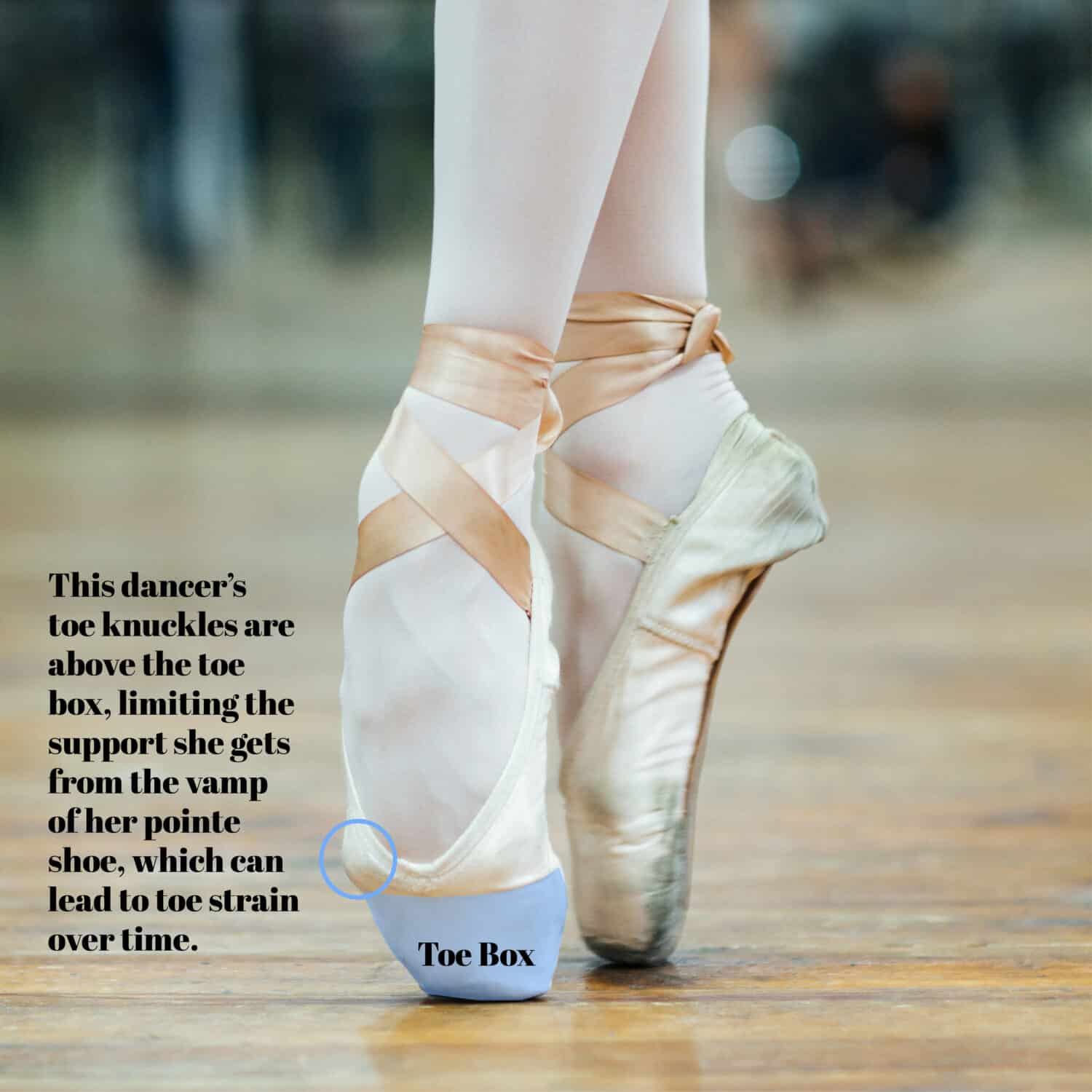
When you rise en pointe, your toe knuckles should fall just below the vamp line (the front edge of the shoe).

  • If your knuckles are above the vamp, the shoe won’t support you properly and can cause toe strain

  • If the vamp comes up too high (about an inch above your knuckles), it can make it very difficult to get fully over your box

Vamp suggestions:

  • Shorter toes → lower, V-shaped vamps (such as Grishko or Freed styles)

  • Longer toes or very strong arches → longer, more rounded vamps (such as Bloch or Russian Pointe styles)

Image
Image
7.

Make Sure the Shank Is the Right Strength

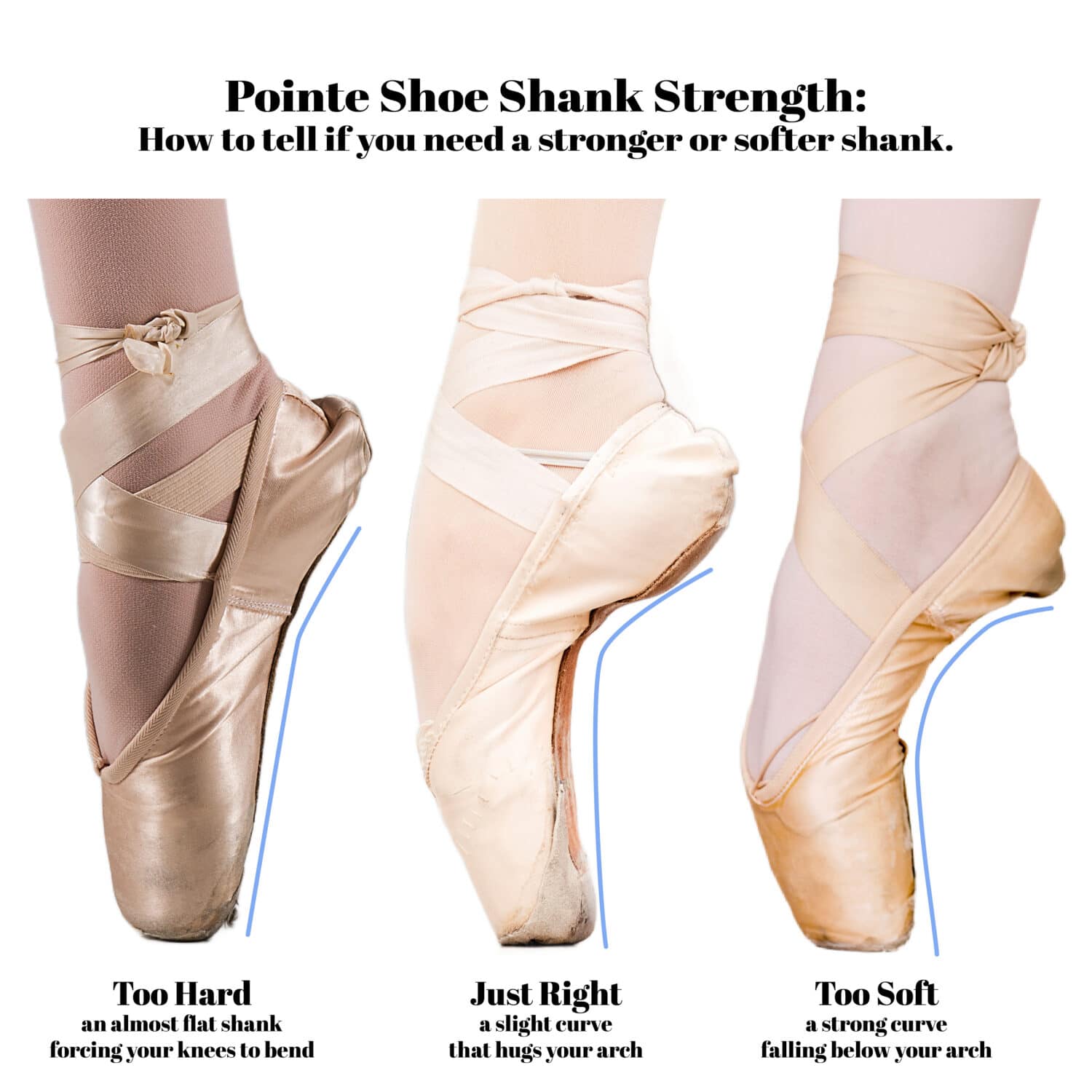
To check shank strength, go en pointe and look at how much the sole bends.

  • A new shoe should bend slightly

  • If it stays completely straight → the shank is too hard

  • If it bends excessively → you likely need a stronger shank

As you break in your shoes, they will naturally soften and mold to your arch. However, if the shoe bends easily right out of the box, it may break down too quickly.

It’s also normal for dancers to move into stronger shanks over time as their feet get stronger.

General guidance:

Image
8.

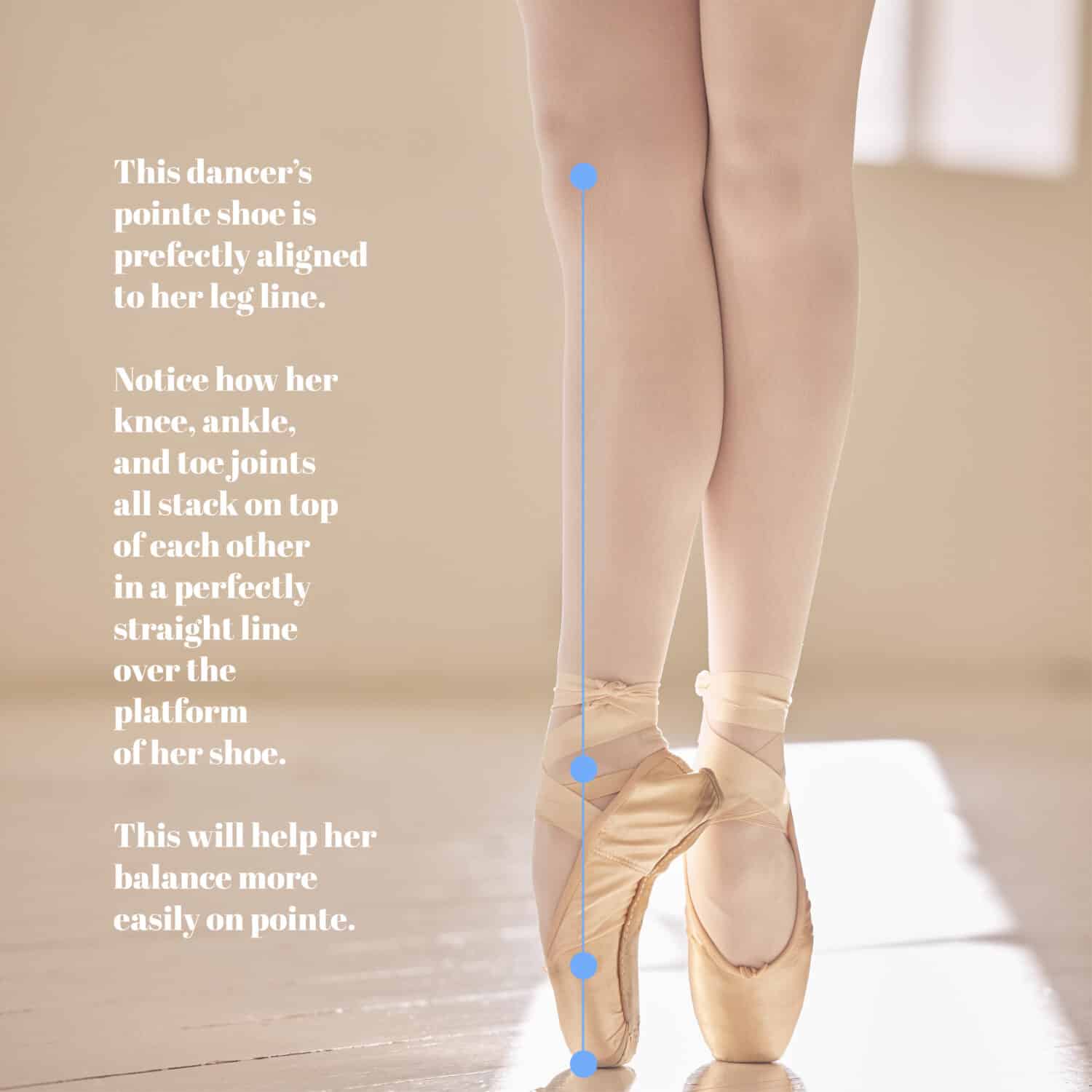
Alignment Is Just as Important as Fit

A shoe can technically “fit” but still push you off balance. If not aligned properly, your shoes will pull you backwards off your toe box and it will feel like a constant battle to stay on pointe. If you struggle to keep your toe box flat on the floor while dancing en pointe, then you may need to check the alignment of your shoes.

To check your alignment, stand in front of a mirror facing sideways and rise up on pointe in parallel. Make sure your knees are not bent. A properly aligned shoe should allow you to stack ankle, knee, and hip alignment in a straight line when en pointe.

There are many different elements that can cause misalignment. First, check and make sure the toe box is perfectly flat. Sometimes pointes shoes can have flaws like lumpy glue or a crooked toe box, so you might just have a faulty pair.

If your toe box is nice and flat, then you may want to switch to a shoe with a shorter vamp. If the vamp length feels comfortable and fits the shape of your foot well, then try on the same shoe with a softer shank instead.

Image
9.

Professional Fittings Are Essential

Online ordering is risky unless you are replacing a model you already know fits well. Pointe shoes are expensive and can’t be returned if they show signs of wear.

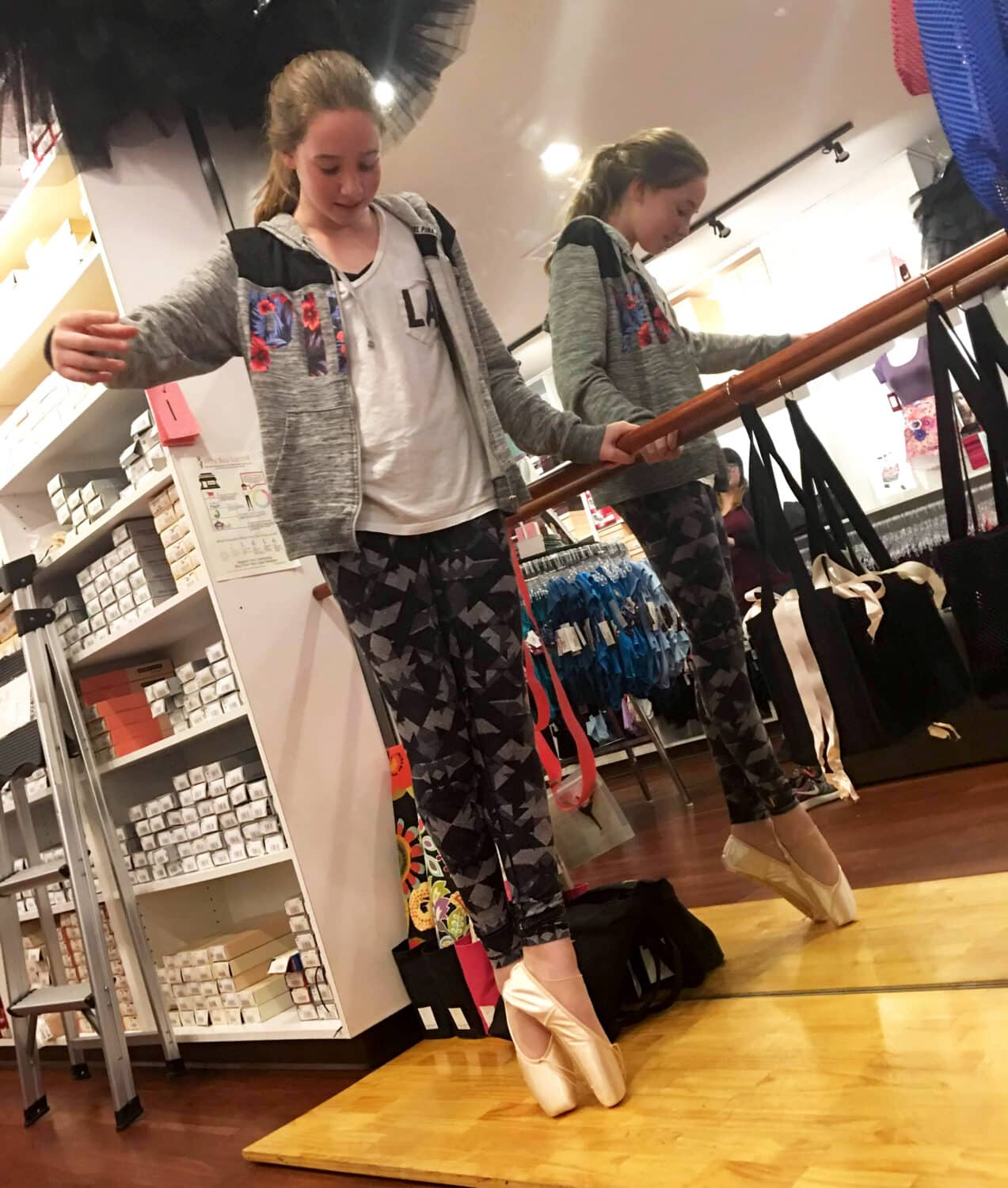
If you are trying to find a new pair of pointe shoe that fits better than your current pair, I highly recommend booking a professional fitting at your local dance store. A trained fitter can see issues dancers may not feel yet and a store will have more brands and size options for you to try out.

Pro Tip: Make sure to call ahead to book your fitting. Sometimes smaller dance stores don’t have a professional fitter on staff every day and can’t always handle walk-ins. Calling ahead is also helpful because your fitter can ask you questions in advance and pull out shoes that they think will fit your needs before you even arrive. Also, if there is a particular brand of pointe shoe you’d like to try, make sure to ask if they have it in stock before your visit.

Image

Download the Pointe Shoe Quick Fit Checklist

Choosing the right pointe shoes can feel overwhelming, especially with so many fit details to remember. To make the process easier, I’ve created a Pointe Shoe Quick Fit Checklist you can use every time you’re fitted for new shoes. Whether you’re a first-time pointe student or replacing a trusted pair, this checklist helps you quickly assess length, width, taper, vamp, heel fit, and shank strength—so you can feel confident your shoes are supporting your technique, alignment, and foot health. Download the checklist below and bring it with you to your next pointe shoe fitting.

This article contains affiliate links.